
How to choose a cream for dry skin
Dry skin doesn't only cause trouble in winter. An air-conditioned office, hot showers and washing your face often also dry your skin out. The good news: if you apply the right cream at the right time, you will feel the difference quickly.
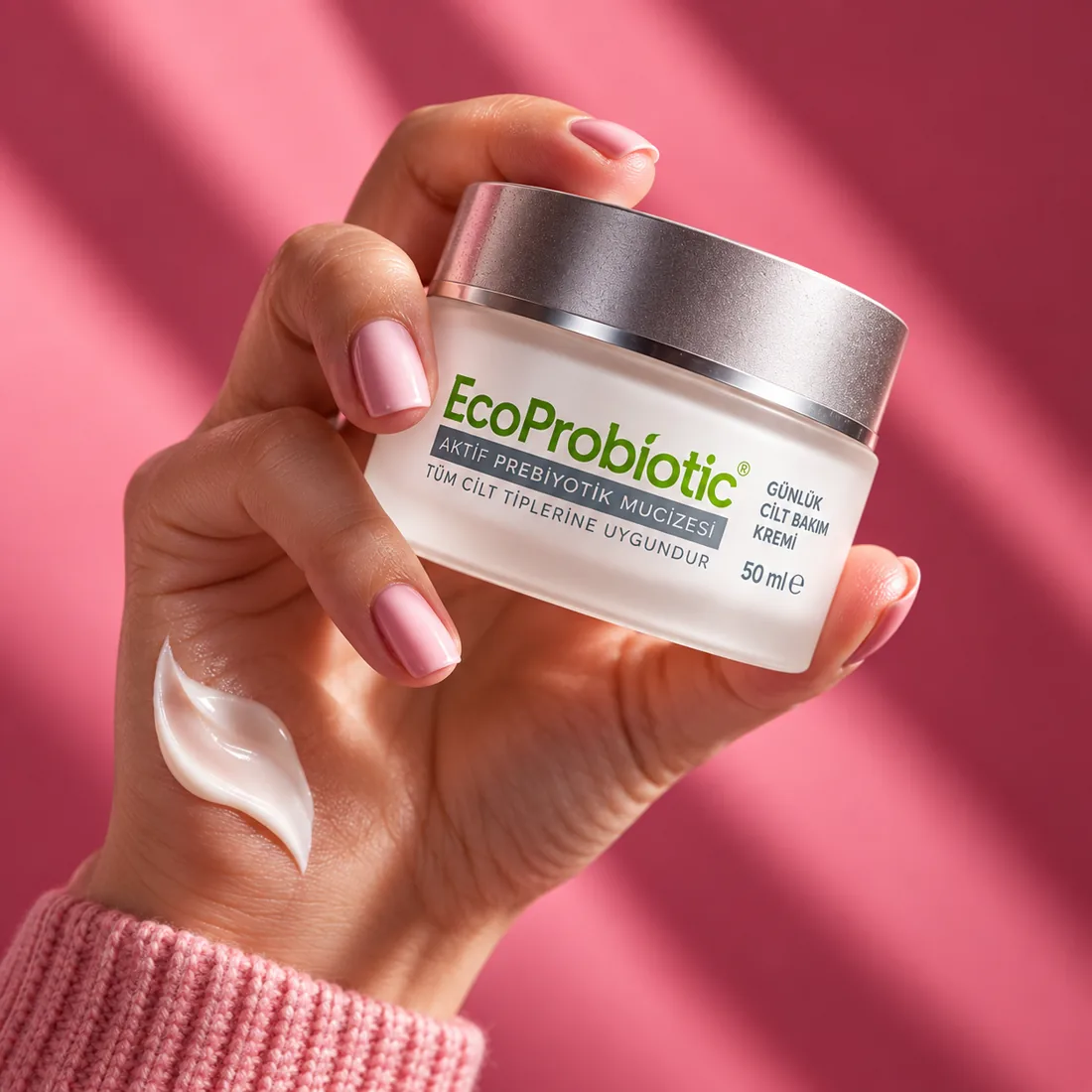
What does dry skin feel like?
Usually like this:
- Tightness after washing your face
- Flaking around the sides of your nose, between your eyebrows and on your chin
- Make-up settling into dry patches
- Skin that looks dull and tired
- Turning red quickly in the cold and wind
What should you look for in a cream?
With dry skin, the real problem is often a worn barrier: the skin can't hold on to its moisture. So don't just choose a cream that adds moisture; choose one that supports your barrier.
Stay away from products containing alcohol; they can sting and cause tightness on dry skin.
Do prebiotic creams work on dry skin?
In 2024, a study was carried out with 140 people with very dry skin. In those using a prebiotic cleanser and moisturiser, dryness decreased in 4 weeks.
When should you apply your cream?
In the first few minutes after a shower or after washing your face. Pat your skin dry without rubbing, leave it a little damp, and apply your cream then. The cream locks that moisture into your skin.
In winter and in air-conditioned rooms, apply your cream twice a day and, if needed, add another layer to dry areas during the day. Wash your face with lukewarm, not hot, water; hot water strips your skin's lipids faster.
Sources
- 1.Lodén M (2003). Role of topical emollients and moisturizers in the treatment of dry skin barrier disorders. American Journal of Clinical Dermatology 4(11): 771-788. Review.
- 2.Dumbuya H, Podimatis K, Kerob D, Draelos ZD (2024). Efficacy of a prebiotic skincare regimen on improving mild atopic dermatitis and severe xerosis in diverse ethnically patients. Journal of Drugs in Dermatology 23(3, Suppl. 2): s12-s22. Clinical study.
- 3.Liu-Walsh F, Tierney NK, Hauschild J et al. (2021). Prebiotic colloidal oat supports the growth of cutaneous commensal bacteria including S. epidermidis and enhances the production of lactic acid. Clinical, Cosmetic and Investigational Dermatology 14: 73-82. Laboratory study.
- 4.Ohlenschlaeger J, Friberg J, Ramsing D, Agner T (1996). Temperature dependency of skin susceptibility to water and detergents. Acta Dermato-Venereologica 76(4): 274-276. Clinical study.
- 5.Engebretsen KA, Johansen JD, Kezic S, Linneberg A, Thyssen JP (2016). The effect of environmental humidity and temperature on skin barrier function and dermatitis. Journal of the European Academy of Dermatology and Venereology 30(2): 223-249. Review.
This article is for general information only. If you have a skin problem that persists or gets worse, see a dermatologist.